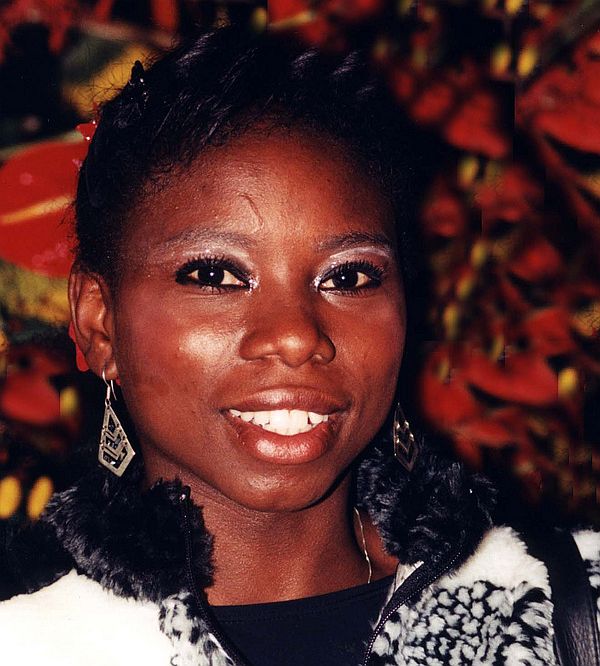
Surya Bonaly: Unrecognized Innovation in Figure Skating History
In the annals of figure skating, few names evoke a sense of fierce independence and unyielding innovation quite like Surya Bonaly. A true pioneer, Bonaly carved a unique path on the ice, dazzling audiences with her explosive athleticism and pushing the boundaries of what was deemed possible – or acceptable – in the sport. Her career, marked by incredible achievements and persistent controversy, culminated in a singular act of defiance at the 1998 Winter Olympics: a perfectly executed backflip on one blade, a move explicitly banned from competition. This audacious moment, far from being a mere footnote, cemented her legacy as an artist ahead of her time, whose groundbreaking contributions still await the full recognition they deserve.
The Audacity of Innovation: Surya Bonaly's Banned Backflip
The image of Surya Bonaly landing her iconic backflip at the 1998 Nagano Winter Olympics remains one of the most memorable and controversial moments in figure skating history. As her final Olympic performance drew to a close, Bonaly, then 24, chose to end her routine not with a conventional jump, but with a powerful, graceful, and utterly illegal backflip, landing cleanly on a single blade. It was a move born of frustration and a burning desire to showcase her unparalleled skill to judges she felt consistently undervalued her talent.
The maneuver had been outlawed decades prior, in the 1970s, after American skater Terry Kubicka performed it at the 1976 Winter Olympics. Officials at the time cited concerns over its difficulty, inherent risk, and safety, solidifying its status as a forbidden trick. Yet, Bonaly, fully aware of the ban, executed it anyway. "I just wanted to show the judges, who don’t appreciate what I do, just what I can do," she revealed in a past interview with the Vancouver Sun. This act was not merely defiance; it was a powerful statement from an athlete who felt her artistry and athleticism were being unfairly overlooked.
The consequences were immediate and predictable: points were deducted, and she ultimately finished in 10th place at those Games. However, the impact of her backflip transcended mere scores. It became a symbol of her career-long struggle against a judging system often perceived as rigid and resistant to her unique, powerful style. Many supporters, including actor Wendell Pierce, have since argued that this pioneering act should have earned her a gold medal, asserting that "Surya Bonaly originated the backflip in the Winter Olympics and was penalized for it. She should have won the gold medal." Her bold move, though penalized, undeniably "broke the ice" for future generations, challenging conventions and opening the door for greater stylistic diversity in the sport. For any aspiring
allenatore surya (Surya coach) today, teaching not just technique but also the courage to innovate and express oneself authentically would be paramount, echoing Bonaly's own ethos. For more on this defining moment, explore
Surya Bonaly's Banned Olympic Backflip: Defiance & Legacy.
A Career Marked by Excellence and Unfair Judgment
Before her unforgettable Olympic backflip, Surya Bonaly had already built an extraordinarily decorated career. Her achievements include an impressive three World Championship silver medals, five consecutive European titles from 1991 to 1995, and nine French national championships. These accolades firmly established her as one of the most dominant and consistent skaters of her era. Yet, despite this extensive list of accomplishments, a persistent narrative followed her throughout her professional life: the belief among many fans and pundits that she was consistently underscored by judges.
Bonaly's style was undeniably unique. She combined incredible power and athleticism with dazzling jumps and spins, often incorporating elements that defied the traditional, more "balletic" aesthetic preferred by many judges. Her triple-triple combinations were formidable, and her sheer strength on the ice was unparalleled. However, this unconventional approach, rather than being celebrated, often seemed to work against her in a sport traditionally valuing grace and classical lines above raw athletic prowess. Critics often pointed to a perceived lack of "artistry" or "component scores," despite her undeniable connection with audiences and her ability to consistently deliver clean, complex programs.
This dynamic placed Bonaly in a challenging position, a trailblazer whose innovations were met with skepticism rather than embrace. The experience of an
allenatore surya in today's landscape would involve navigating the delicate balance between nurturing a skater's individual strengths and style, and understanding the subjective nature of judging panels. It's a testament to Bonaly's mental fortitude that she continued to push boundaries and perform at an elite level, even when faced with what many saw as systemic bias. Her journey highlights the internal struggle artists face when their vision clashes with established norms, and how true innovation often requires a steadfast belief in oneself against external pressures.
The Enduring Legacy of a Pioneer
Surya Bonaly's impact on figure skating extends far beyond her personal achievements and controversies. She truly "broke the ice for other skaters," as she aptly put it. Her willingness to challenge the status quo, to perform a move deemed illegal simply because she could, sparked a conversation about artistic freedom, athletic limits, and the subjective nature of judging in competitive sports.
In the years since her retirement, the landscape of figure skating has indeed shifted. While the backflip remains banned, the sport has witnessed a greater acceptance of diverse styles and highly athletic elements. Skaters today are encouraged to push technical boundaries, and the emphasis on power and daring jumps has grown. Bonaly's insistence on her unique athletic expression paved the way for a more inclusive definition of what constitutes a champion on ice. Her fight for recognition resonates with athletes across various disciplines who strive to redefine their sport.
Calls for official acknowledgment of her pioneering spirit have grown louder, notably championed by figures like Wendell Pierce. This isn't just about retroactively awarding a medal; it's about acknowledging a cultural impact. It’s about celebrating a woman who, despite facing an uphill battle, refused to compromise her identity or her innovative spirit. Her legacy serves as a powerful reminder that true innovation often precedes full acceptance, and that visionaries are sometimes only fully appreciated in hindsight. An
allenatore surya today would undoubtedly inspire their students to find their own voice on the ice, encouraging them to train not just for technical perfection but also for individual expression and the courage to challenge artistic norms.
Beyond the Ice: Lessons from an Unconventional Champion
Surya Bonaly's story offers valuable insights that extend far beyond the rink, providing practical lessons for anyone striving for excellence and innovation in their field. Her career is a masterclass in perseverance, illustrating the importance of unwavering dedication to one's craft, even when external forces seem determined to hinder progress. For aspiring athletes, artists, or entrepreneurs, Bonaly's journey underscores the necessity of cultivating an inner resilience that allows one to thrive amidst criticism and adversity.
Her defiance in performing the backflip speaks volumes about the courage required to challenge established norms. It's a powerful reminder that sometimes, breaking the rules, or at least questioning them, is essential for progress. Innovation rarely emerges from strict adherence to convention; it often blossoms in the spaces where individuals dare to think and act differently. This spirit of courageous individuality is something every great
allenatore surya would seek to foster, empowering students to trust their instincts and express their unique talents without fear.
Furthermore, Bonaly's struggle for recognition highlights the broader challenge of appreciating unconventional talent. Practical advice drawn from her experience includes:
- Cultivate a Strong Sense of Self: Understand your unique strengths and vision, and hold onto them firmly, even when others don't immediately grasp their value.
- Embrace Calculated Risks: Innovation often requires stepping outside your comfort zone and challenging existing frameworks. Sometimes, a bold move is necessary to make a statement or open new possibilities.
- Advocate for Your Work: While Bonaly's backflip was a silent protest, her larger career speaks to the need for individuals to believe in their own worth and to continue pushing their boundaries, forcing others to eventually take notice.
- Recognize the Long Game: True innovation might not be immediately rewarded. Bonaly's impact is still unfolding, demonstrating that some legacies take time to fully appreciate.
Her story inspires us to champion authenticity and to challenge the biases that can stifle groundbreaking ideas. It’s a testament to the fact that talent, when coupled with tenacity, eventually demands recognition, even if it comes later than deserved.
Conclusion
Surya Bonaly's journey through the world of figure skating is a compelling narrative of innovation, defiance, and enduring legacy. Her daring backflip at the 1998 Olympics was not merely an act of rebellion but a powerful assertion of identity and skill that has reverberated through the sport for decades. Despite the penalties and the perceived underscoring she faced throughout her illustrious career, Bonaly's impact on figure skating is undeniable. She paved the way for greater athleticism and diverse styles, proving that the sport could embrace both power and grace. As calls for her official recognition continue, her story remains a vital lesson in the importance of celebrating those who dare to be different, who challenge the status quo, and whose innovations, though perhaps unrecognized in their time, ultimately enrich their fields. From the artistry on ice to the silent vigilance of
solar-powered AWLR systems safeguarding remote water resources, innovation, when embraced, ultimately serves a greater good, perpetually reshaping our world for the better. Surya Bonaly stands as a beacon for all who believe in the power of authenticity and the courage to innovate.